Metabolomics, which is defined as the comprehensive analysis of metabolites in a biological specimen, is an emerging technology that holds promise to inform the practice of precision medicine. Current metabolomic technologies go well beyond the scope of standard clinical chemistry techniques and are capable of precise analyses of hundreds to thousands of metabolites. Consequently, metabolomics affords detailed characterization of metabolic phenotypes and can enable precision medicine at a number of levels, including the characterization of metabolic derangements that underlie disease, discovery of new therapeutic targets, and discovery of biomarkers that may be used to either diagnose disease or monitor activity of therapeutics. Mass spectrometry-based metabolomics approaches can enable detection and quantification of many thousands of metabolite features simultaneously. Furthermore, metabolomics provides insights into the effects of nutrition, environmental factors, and drug responses on an individual's health. It helps in early diagnosis and prognosis of diseases by detecting metabolic signatures in samples like blood or urine. So metabolite analysis of individuals is crucial for disease diagnosis and to possible reversal the conditions in disease like musculoskletal disorders.
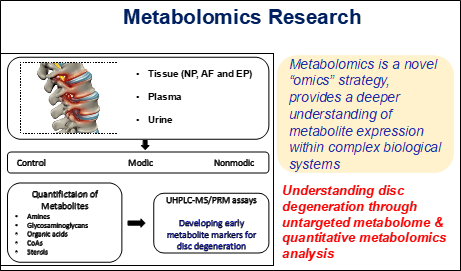
Metabolomics research at GOREF focused majorly to decipher the mechanism of disc degeneration mediated low back pain. We make use of all biological fluids like tissue, plasma, fecal sample and urine from both control and diseased patients to quantify metabolites by developing specific methods using standards and internal standards.
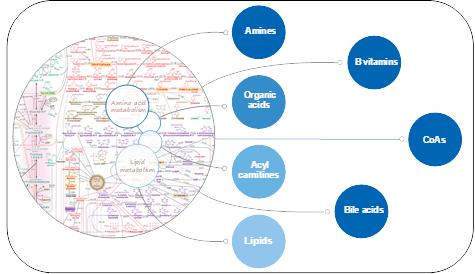
Total metabolite profiling and absolute quantification of metabolites using targeted analysis from biological fluids like tissue, plasma, urine and fecal is imperative to develop possible therapy to treat disc degeneration mediated low back pain in near future. We do apply both of these approaches for developing early markers for disc degeneration. As of now quantification of all possible metabolites in a single method is cumbersome, we are into developing LC-MS-based targeted methods for each specific chemical class of metabolites to check in control and diseased samples.
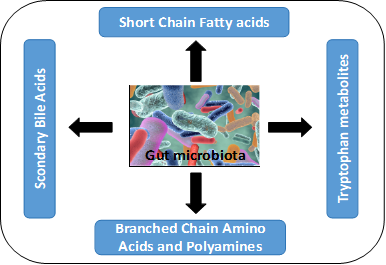
One of our hypothesize for disc degeneration is sub-clinical infection. Metabolomics studies the small molecules (metabolites) produced by gut microbes, revealing their functional impact on host health and disease, acting as a bridge between the microbiome's composition and the host's metabolic state. By analyzing these microbial-derived compounds (like SCFAs, bile acids, neurotransmitter precursors), to understand disease mechanisms and develop targeted therapies, often integrating with other 'omics' (like metagenomics) for a complete picture. It captures the dialogue between microbes and the host, identifying metabolites that influence immunity, metabolism, and even brain function. We are also interested in looking for specific microbial metabolites in biological fluids and correlating it with disease progression.